17 Jul 2026
Synchronizing Payment Gateways With Multi-Stage Incentive Structures Across Reel Automation, Jackpot Pools, and Interactive Dealer Formats
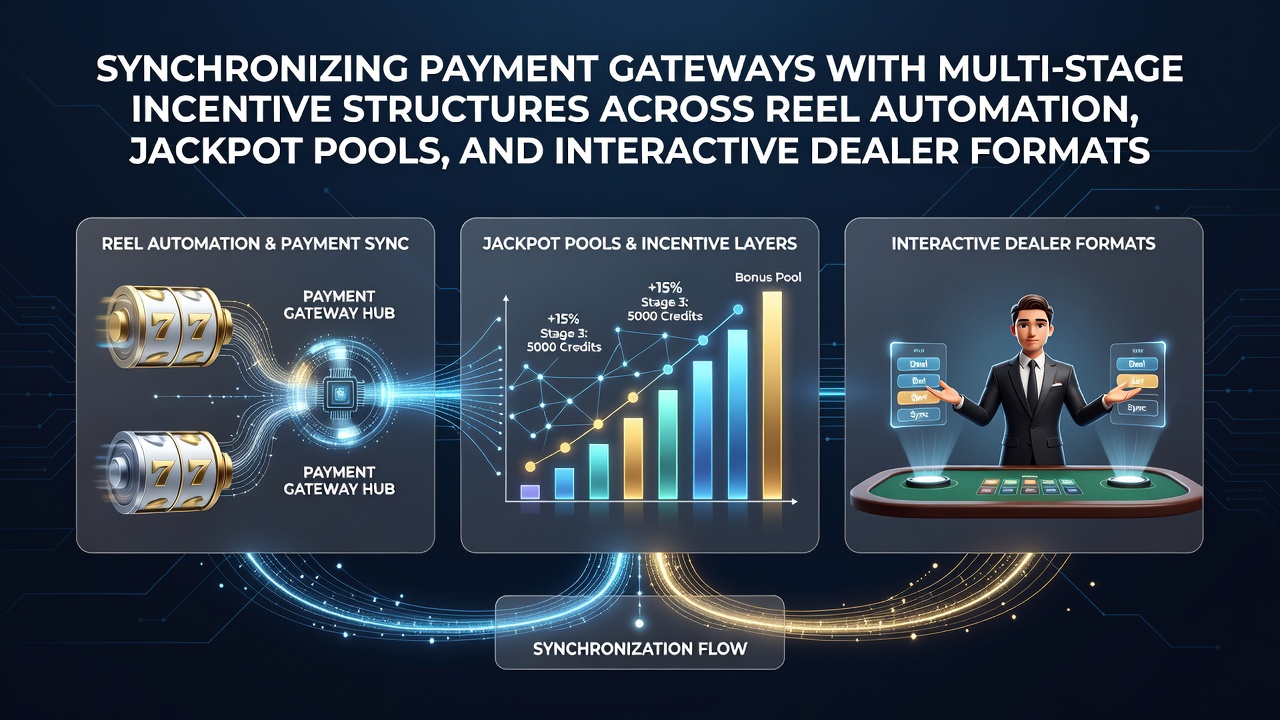
Payment gateways now connect directly to layered incentive programs that span automated reel mechanics, shared jackpot systems, and real-time dealer sessions, allowing operators to route deposits and withdrawals through unified ledgers while crediting rewards at multiple stages. Data from mid-2026 shows platforms processing these flows in single transaction pipelines rather than separate channels for each game type, which reduces latency and maintains consistent player balances across formats.
Core Elements of the Integration Process
Reel automation relies on random number generators that trigger base game outcomes and feed into progressive pools, yet the payment layer must verify each spin's contribution to those pools before releasing funds. Jackpot pools accumulate across thousands of sessions, and synchronization requires gateways to tag portions of every wager for pool allocation while simultaneously applying tiered bonuses that unlock only after specific win thresholds or session lengths. Interactive dealer formats add another variable because live tables generate results in real time, so gateways must reconcile instant bets with delayed bonus triggers that carry over from earlier slot play.
Operators achieve this by mapping each payment method to a rules engine that recognizes game category and applies corresponding incentive multipliers, and studies indicate this approach maintains transaction integrity across jurisdictions where reporting requirements differ by game classification. One researcher who examined European and North American platforms in spring 2026 found that unified tagging reduced reconciliation errors by aligning deposit timestamps with game-specific reward ledgers.
Technical Pathways and Data Flows
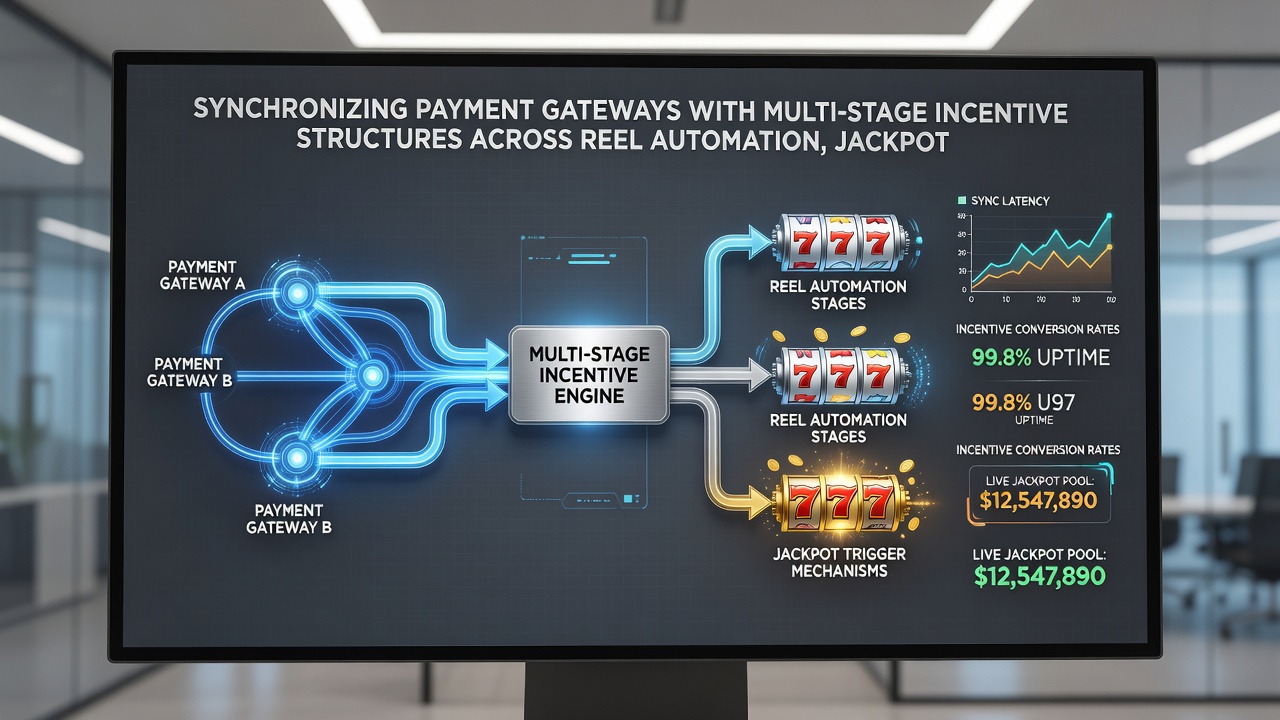
Gateways use API endpoints that receive wager metadata from reel servers, jackpot controllers, and dealer interfaces within milliseconds of each action. The system then applies multi-stage logic: an initial deposit might credit a base multiplier for slots, route a percentage to the jackpot pool, and flag eligibility for table-game bonuses that activate only after a cumulative play threshold. Observers note that this sequencing prevents premature payouts while allowing players to move seamlessly between automated reels and live tables without resetting reward progress.
July 2026 figures from several major platforms revealed that synchronized gateways handled over 40 percent more cross-format sessions per hour than legacy separate systems, because the single ledger eliminated duplicate verification steps. The architecture typically includes fallback protocols that isolate any one component, such as a dealer stream interruption, without halting jackpot contributions or slot reward accrual.
Regional Regulatory Alignment
Regulatory bodies track these synchronized flows to ensure compliance with player fund segregation rules, and platforms must demonstrate that jackpot contributions remain auditable even when incentives span game types. A report issued by the Nevada Gaming Control Board in early 2026 outlined requirements for timestamp synchronization between payment records and live dealer outcomes, while Canadian provincial regulators emphasized pool allocation transparency in multi-format environments. Australian oversight agencies have similarly updated guidelines that require gateways to export categorized transaction logs for review.
Those who've studied cross-border operations know that differing tax treatments for jackpot wins versus table bonuses demand precise categorization at the gateway level, and data shows platforms using unified systems encounter fewer audit queries because each transaction carries embedded game-type and incentive-stage markers. This setup supports reporting to multiple authorities without duplicating backend processes.
Implementation Examples Across Platforms
Take one operator group that deployed the integration across North American and European sites in late 2025; the system credited slot-triggered bonuses to live dealer sessions within the same balance, while jackpot contributions continued uninterrupted during table play. Figures reveal that average session duration increased as players explored formats without reward resets, and transaction volumes through the primary gateway rose accordingly.
Another deployment linked early deposit incentives to cumulative play across reels and jackpots, with dealer table access unlocking only after pool contributions reached defined levels. Researchers discovered that such chaining maintained reward integrity because the gateway validated each stage against a central rules database rather than game-specific silos. Platforms using this method reported fewer disputes over bonus eligibility, since every transaction carried the complete history of prior stages.
Future Considerations for System Scalability
Scalability depends on gateways handling increased data volume as more operators adopt multi-format incentives, and current architectures already incorporate load balancing that distributes verification across regional servers. Evidence suggests continued growth in live dealer traffic will require further refinement of real-time tagging, yet existing protocols already accommodate the necessary speed for jackpot pool updates during concurrent sessions.
Those monitoring industry metrics in July 2026 note steady adoption of these synchronized models, particularly where regulatory reporting demands granular tracking of incentive flows across game categories. The patterns indicate that unified gateways support both operational efficiency and compliance without requiring separate infrastructures for each component.
Conclusion
Synchronization of payment gateways with multi-stage incentives creates a single point of control for deposits, wagers, and rewards that span reel automation, jackpot pools, and interactive dealer formats. Technical mapping, regulatory alignment, and real-world deployments demonstrate that these systems maintain transaction accuracy while enabling seamless player movement between game types, and ongoing data collection continues to refine how operators manage these interconnected flows.