Navigating Loyalty Structures That Convert Free Spins Into Table Game Entry Points Through Varied Funding Channels
Henrik Müller · Jun 26, 2026
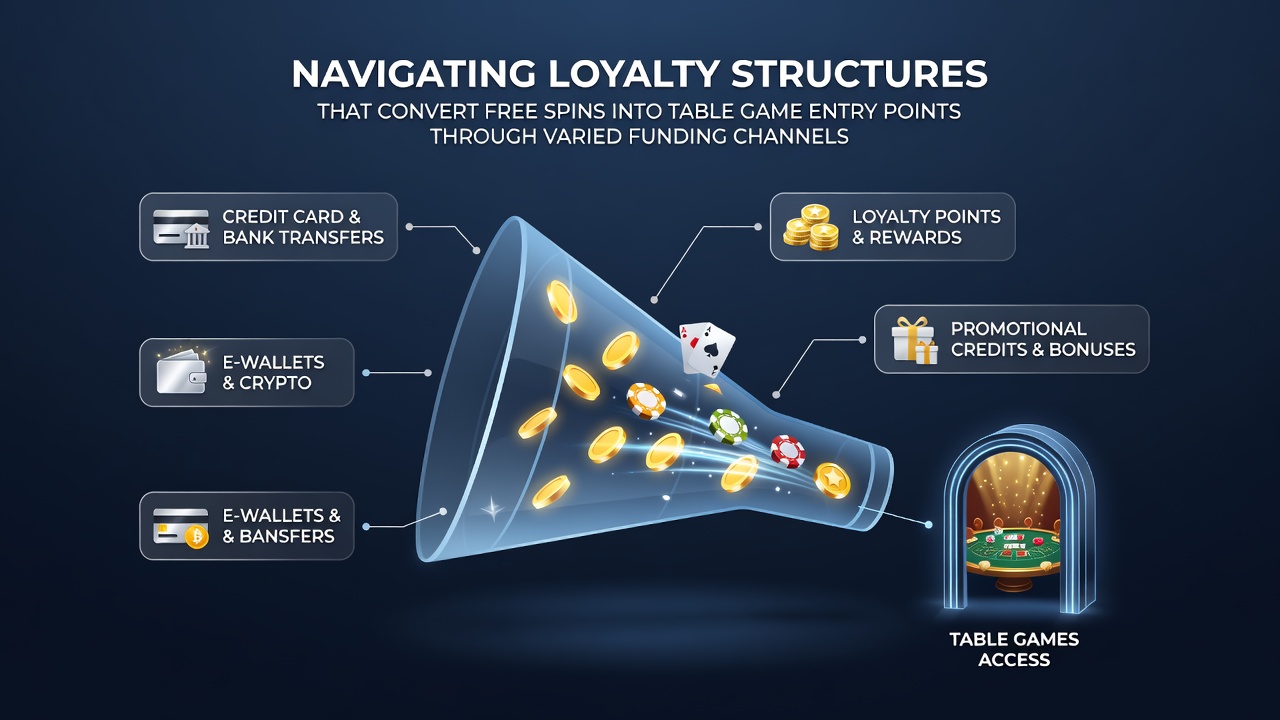
Navigating Loyalty Structures That Convert Free Spins Into Table Game Entry Points Through Varied Funding Channels
Players encounter loyalty structures that transform free spins earned on slot machines into qualifying points for table game participation, and these pathways rely on consistent funding activity across multiple channels to unlock higher tiers. Operators design point systems where spins generate base rewards while deposit frequency and volume accelerate conversion rates toward live dealer tables and VIP access. Data from industry reports indicate that structured progression models have expanded participation rates in table formats by linking automated reel play directly to real-time sessions.
Mechanics of Tier Progression and Point Conversion
Loyalty programs operate through cumulative metrics that track spin volume alongside funding patterns, where each deposit method contributes differently to point multipliers. Credit card transactions often receive standard accrual rates whereas e-wallet transfers and cryptocurrency deposits trigger accelerated bonuses in certain platforms, allowing players to reach table entry thresholds faster. Observers note that these varied channels create distinct trajectories because bank wire options sometimes carry higher minimums yet deliver elevated loyalty multipliers once processed.
Conversion occurs when accumulated points surpass specific benchmarks, granting complimentary table game credits or reduced buy-in requirements. Researchers have documented how free spin bundles from promotional periods feed directly into these accumulations, turning initial slot activity into sustained access across blackjack, roulette, and poker variants. Those who study player behavior patterns find that platforms adjust conversion ratios seasonally, with adjustments appearing in operational updates released around mid-year cycles.
Impact of Funding Channels on Loyalty Acceleration
Payment diversity influences how quickly free spin rewards convert into table game privileges because each method carries unique processing timelines and bonus associations. Mobile banking apps and prepaid vouchers provide immediate point posting in many systems, whereas traditional checks or international wires introduce delays that affect monthly progression standings. Figures from regulatory filings reveal that platforms emphasizing multiple channels report higher retention among users who rotate between funding sources to optimize point gains.
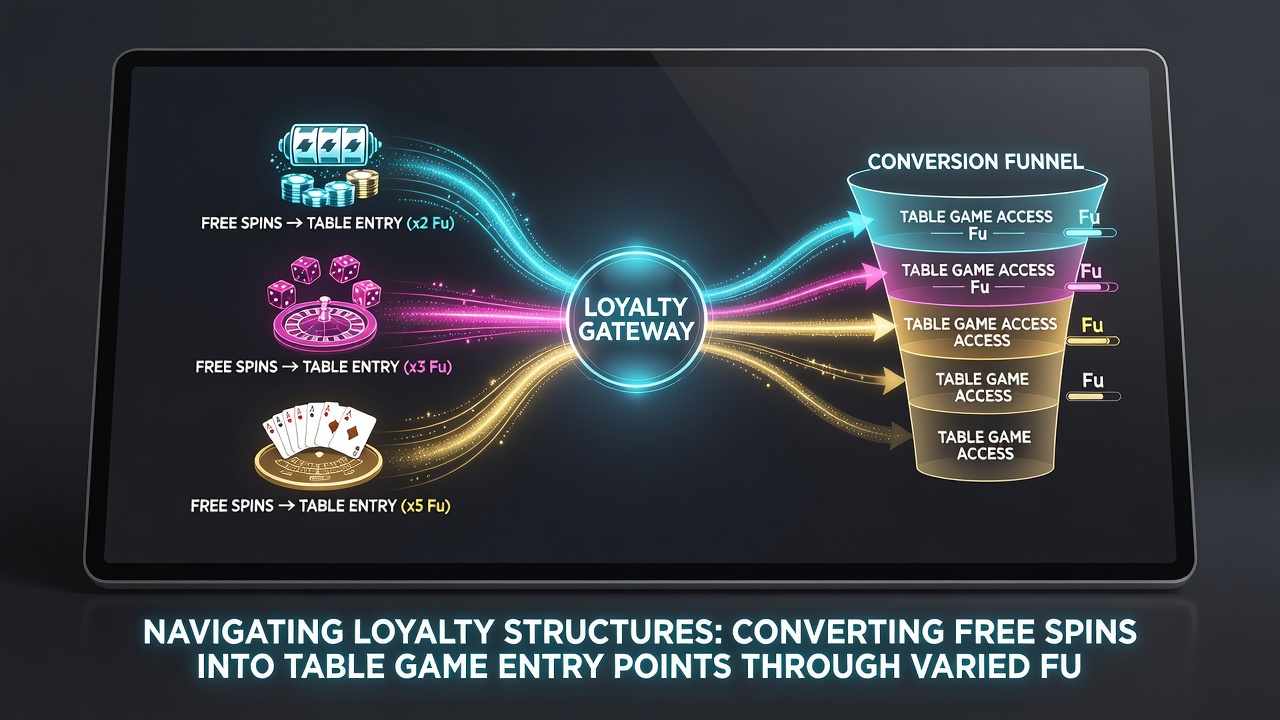
June 2026 saw several operators release revised loyalty matrices that explicitly weighted cryptocurrency deposits higher for table game qualification, reflecting broader adoption trends across North American markets. According to data compiled by the American Gaming Association, these adjustments coincided with measurable increases in cross-format play among users who maintained active funding histories across at least three distinct channels. The structure rewards consistency, so players who alternate between debit options and digital wallets accumulate the necessary thresholds more efficiently than those relying on single methods.
Regional Variations and Platform Adaptations
Different jurisdictions impose reporting requirements that shape how loyalty conversions appear in player accounts, with European frameworks often mandating clearer disclosure of point-to-table ratios compared to certain U.S. state models. Platforms operating under multiple licenses adjust their structures accordingly, ensuring compliance while maintaining conversion pathways from spins to live sessions. One study released by the University of Nevada's gaming research division highlighted how funding channel transparency correlates with sustained engagement in table environments after initial spin-based entry.
Examples include programs where early deposits via e-wallets unlock bonus spin packages that then feed loyalty meters, creating a pipeline toward higher-stakes table invitations. Observers tracking these systems note that the ball remains in the operator's court to communicate exact conversion formulas, yet players who monitor their activity logs can anticipate when table access becomes available. What's interesting is how certain platforms layer additional multipliers during promotional windows, effectively shortening the journey from reel-based rewards to dealer-hosted formats.
Strategic Considerations for Sustained Access
Long-term navigation involves aligning deposit schedules with loyalty reset periods so that free spin accumulations carry forward into table qualification windows. Data indicates that users who diversify funding sources experience fewer interruptions in point accrual, particularly when seasonal campaigns emphasize live game entry as the primary reward tier. Those who've examined platform updates recognize that integration between payment processors and loyalty engines has grown more seamless, reducing friction between spin collection and table participation.
Case examples drawn from operational reports show users progressing through silver and gold tiers via combined spin and deposit activity, eventually securing reserved seats at progressive jackpot tables. The reality is that each channel contributes unique data points to the overall profile, influencing both conversion speed and available perks once table access is granted.
Conclusion
Loyalty structures continue to evolve as operators refine how free spins translate into table game opportunities through coordinated funding strategies. Varied payment channels serve as the connective tissue that determines progression velocity, with regional regulations and platform policies shaping the precise mechanics. Evidence from industry sources demonstrates that players who understand these linkages maintain more consistent access across formats, supported by transparent reporting and adaptive reward systems that reflect current market conditions.