22 Jul 2026
How State-Level Policies Influence Funding Channels for Integrated Reel and Real-Time Gaming Experiences
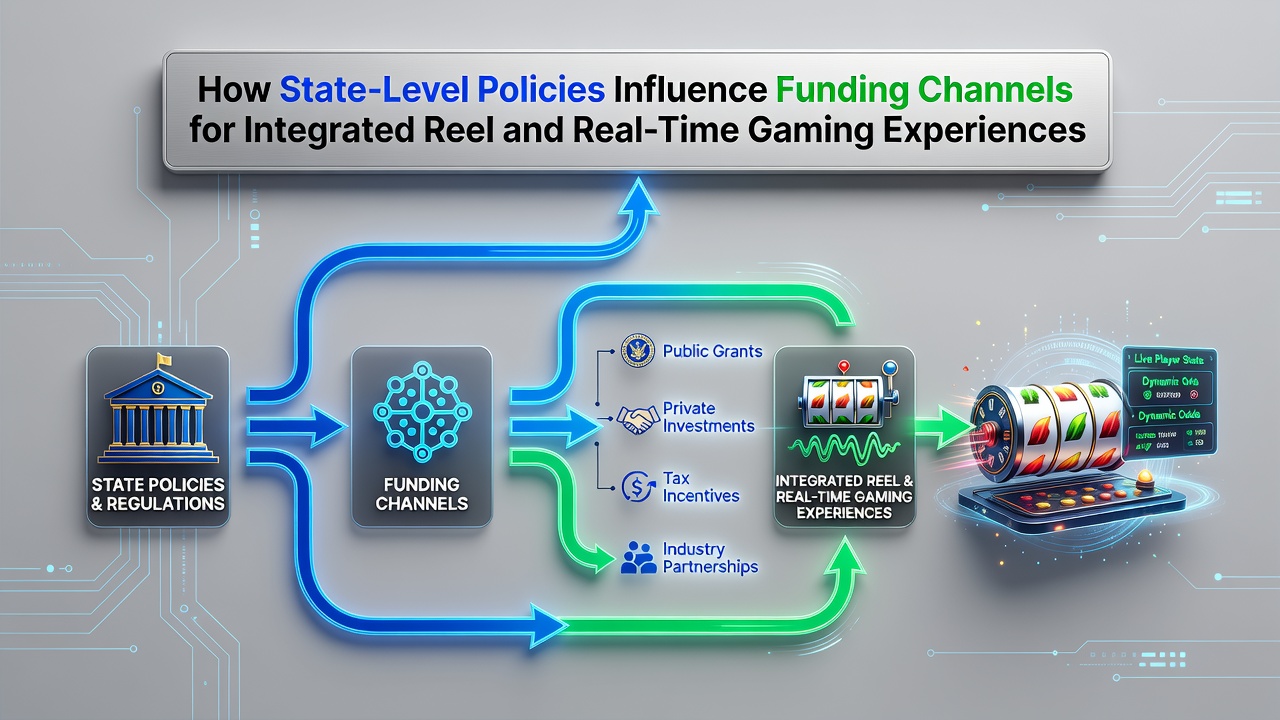
State-level policies shape how operators access capital for integrated reel and real-time gaming platforms, and these rules determine which payment processors can connect player deposits to both automated slot systems and live dealer environments. Regulatory frameworks in each jurisdiction set licensing fees, tax structures, and approval processes that directly affect the speed and cost of moving funds between these two formats, while also dictating which bonus mechanisms operators can layer onto combined reel and table experiences.
Regulatory Structures and Capital Allocation
Each state establishes its own licensing tiers that require operators to demonstrate sufficient reserves before they can offer both slot products and live dealer tables under a single platform. These requirements often include segregated accounts for progressive jackpot contributions from reel games and separate liquidity pools for real-time sessions, which forces companies to maintain distinct funding channels rather than pooling resources. Data from multiple jurisdictions shows that states with higher upfront capital thresholds see slower rollout of integrated offerings because operators must secure additional lines of credit before launch.
Tax rates applied to gross gaming revenue create further distinctions between reel-based and live dealer revenue streams. Some states calculate taxes separately for machine-based play versus table games hosted by live dealers, which influences how operators allocate marketing spend and promotional budgets across the two formats. When tax differentials exist, companies adjust deposit incentives to steer players toward the lower-taxed segment while still maintaining seamless transitions between slots and live tables within the same session.
Payment Processing and Cross-Format Funding
State rules governing approved payment methods determine which processors can handle deposits that feed both reel and real-time environments. Jurisdictions that mandate local banking partnerships often require operators to route funds through state-chartered institutions before those funds reach either slot wallets or live dealer interfaces. This adds processing layers that increase transaction costs and extend settlement times, particularly when players move balances between automated reels and interactive dealer sessions mid-session.
July 2026 saw several states update their financial reporting requirements for integrated platforms, requiring operators to disclose how player funds flow across reel and live segments within a single account. These updates forced companies to redesign their internal ledgers so that promotional credits earned on slots could transfer directly to live dealer tables without triggering additional tax events. Observers note that states implementing these reporting rules experienced measurable shifts in how operators structured their bonus programs to maintain compliance while preserving player engagement across both formats.
Examples Across Jurisdictions
Take the approach used in New York, where the Gaming Commission requires separate certification for any feature that moves funds between slot progressives and live dealer tables. Operators must submit detailed flow diagrams showing how deposits, bonuses, and withdrawals interact across these formats before receiving approval. This process has led some companies to establish dedicated subsidiaries that handle only integrated reel and real-time funding, keeping those operations distinct from standalone slot or table offerings.
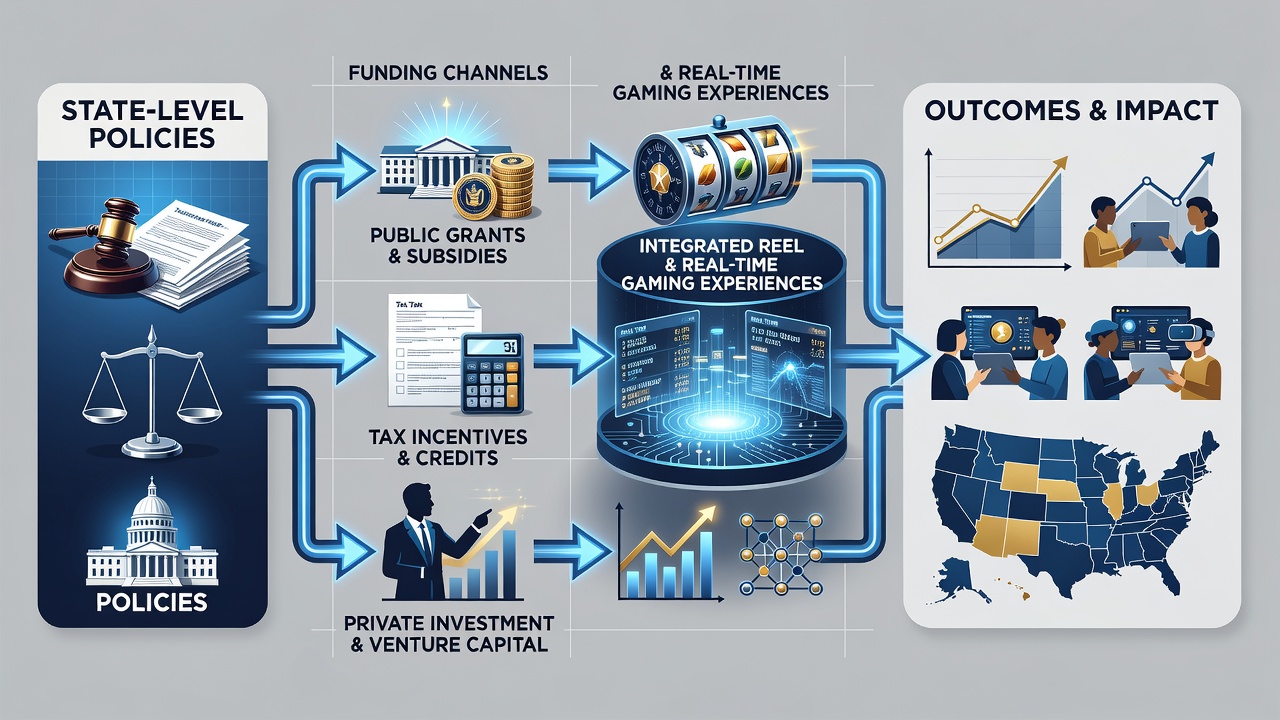
Illinois applies a different model that ties funding channel approvals to responsible gaming metrics. Platforms seeking to offer combined reel and live dealer experiences must demonstrate that their payment systems include real-time spend tracking that spans both formats. This requirement has prompted operators to partner with processors capable of monitoring cumulative play across slots and live tables within unified player accounts, which adds technical complexity but satisfies state oversight standards.
Researchers at the UNLV Center for Gaming Research have documented how these state-specific rules create distinct funding ecosystems. Their analysis shows that operators in states with unified tax treatment for reel and table revenue maintain more flexible capital allocation than those facing segmented taxation, allowing faster scaling of integrated features when market conditions shift.
Compliance Costs and Operational Impact
Compliance expenses associated with state-level oversight represent a significant portion of funding channel costs for integrated platforms. Legal reviews, system audits, and ongoing reporting consume resources that could otherwise support player acquisition or jackpot seeding. States that streamline these processes through standardized application templates and shared regulatory databases reduce the friction operators face when launching or expanding combined reel and real-time offerings.
Payment processors themselves must obtain state-specific approvals before handling transactions that span both formats. This creates a patchwork of approved providers across the country, where a processor cleared in one state may face lengthy review periods before operating in another. Operators therefore maintain relationships with multiple processors to ensure continuous funding access regardless of which state hosts their integrated platform.
Conclusion
State-level policies continue to define the boundaries within which operators construct funding channels for integrated reel and real-time gaming. Licensing thresholds, tax structures, payment approvals, and reporting mandates collectively determine how capital moves between slot systems and live dealer environments. As additional states refine their frameworks, operators adapt their financial architectures to maintain compliance while preserving the seamless player experiences that connect automated reels with real-time table play. The resulting landscape features distinct regional approaches that reflect each jurisdiction's priorities around revenue collection, consumer protection, and industry growth.