Decoding Deposit Flows That Link Early Incentives to Sustained Access Across Reel, Card, and Real-Time Dealer Formats
Henrik Müller · May 31, 2026
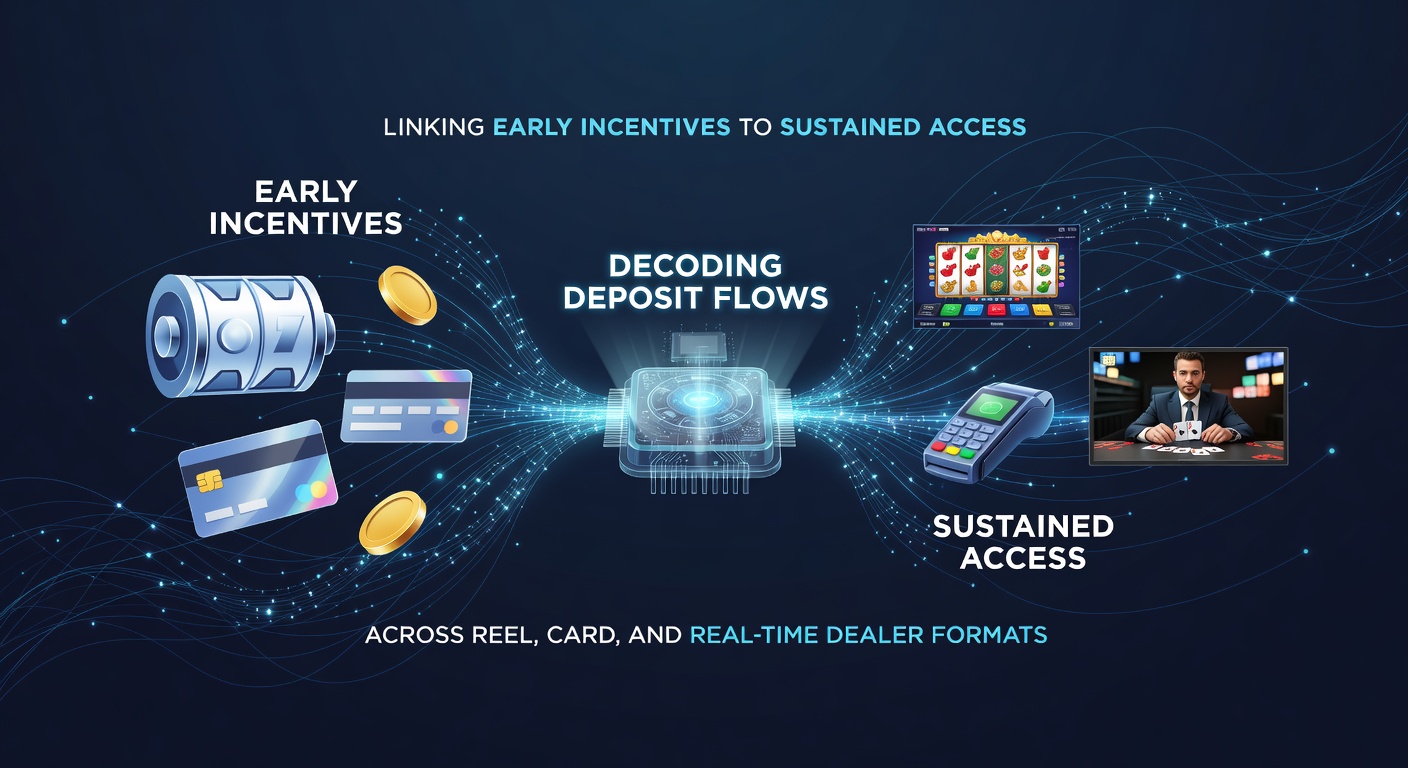
Decoding Deposit Flows That Link Early Incentives to Sustained Access Across Reel, Card, and Real-Time Dealer Formats
Deposit patterns in online gaming environments reveal clear connections between introductory incentives and continued participation across slot machines, card-based tables, and live dealer sessions. Research from multiple jurisdictions shows that first-time deposits often trigger bonus structures which then guide funds into varied game formats without interruption. Data collected through 2025 into early 2026 indicates these flows maintain player engagement by converting early rewards into accessible balances that support both automated reels and interactive card play.
Initial Deposits and Incentive Activation
Players typically begin with a deposit that unlocks matched bonuses or free spin packages, and these credits integrate directly into reel formats where automated sequences generate quick returns. Observers note that once the initial incentive activates, remaining balances carry forward to card tables where strategic decisions determine progression, while the same funds remain available for real-time dealer interactions that require immediate wagering. Payment processors facilitate this movement by settling transactions in seconds, allowing seamless transitions between formats during single sessions.
Figures from the New Jersey Division of Gaming Enforcement highlight how deposit volumes in regulated markets increased steadily through spring 2026, with many accounts showing repeated activity across multiple categories after the first incentive claim. Systems track these movements to ensure bonus terms convert into sustained access rather than isolated play periods.
Flow Across Reel Formats
Reel-based games receive the bulk of early deposits because their mechanics align with bonus spin allocations. Funds deposited for these games trigger multipliers that extend playtime, and any winnings generated feed back into the account for use elsewhere. Transaction logs demonstrate that players who start on reels maintain higher retention rates when the same balance supports later card sessions, creating a continuous deposit cycle that regulators monitor for compliance.
Transition to Card and Real-Time Dealer Options
Once reel play establishes an account balance, card formats become accessible through the same wallet interface. Blackjack and similar table variants draw from this pool, and live dealer streams require only an additional click to redirect funds without new deposits. Industry reports compiled by the University of Nevada, Las Vegas Center for Gaming Research show that accounts active in May 2026 frequently alternated between formats within minutes, supported by unified payment rails that prevent balance fragmentation.
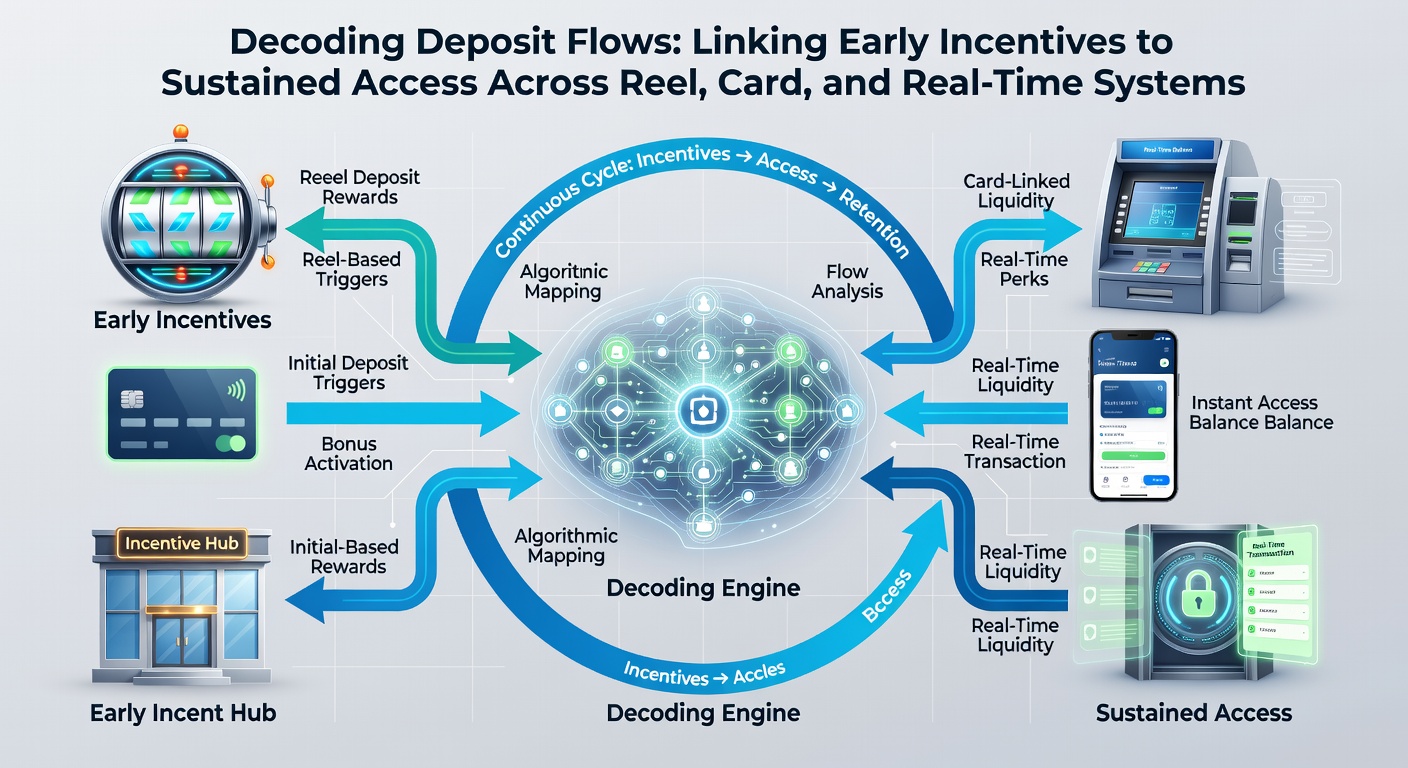
Real-time dealer environments benefit particularly from this linkage because session timing demands immediate fund availability. Early incentives that survive initial reel rounds provide the necessary capital, while card wins replenish the pool for extended live play. Payment gateways record these shifts as single-session events rather than separate deposits, reducing friction and supporting the documented rise in cross-format activity.
Payment Infrastructure Supporting Sustained Access
Modern platforms integrate multiple processors that handle deposits and withdrawals across currencies and methods, ensuring incentive credits remain liquid. Electronic wallets and instant bank transfers appear most frequently in data sets covering 2026 activity, because they minimize delays between reel sessions and dealer tables. Regulatory filings indicate that markets permitting rapid settlement see longer average session durations when players move between automated and live formats without interruption.
Those who study transaction pathways observe that loyalty programs layer additional incentives onto existing balances, extending the original deposit's reach. Points earned on reels convert into table credits, and live dealer participation often qualifies for tiered rewards that further encourage repeat deposits. This layered structure creates measurable retention effects tracked by operators and oversight bodies alike.
Regional Patterns in Deposit Behavior
European operators report similar patterns where initial incentives in regulated environments drive cross-format exploration, with card play serving as a bridge to live sessions. Australian regulatory summaries from the same period document comparable flows, noting that players who activate bonuses on reels show elevated participation rates in dealer-hosted games weeks later. These observations come from aggregated anonymized data that avoids individual identification while revealing broader trends in sustained access.
Conclusion
Deposit flows that originate with early incentives continue to shape access patterns across reel, card, and real-time dealer formats into 2026. Payment systems and bonus designs work together to convert first deposits into ongoing balances that support varied gameplay without requiring repeated funding actions. Data from established regulatory and academic sources confirms these linkages remain consistent across jurisdictions, providing operators with reliable frameworks for maintaining player engagement through unified transaction pathways.