Charting Transaction Pathways That Enhance Promotional Access to Table Games and Loyalty Structures
Zara Weber · May 27, 2026
Charting Transaction Pathways That Enhance Promotional Access to Table Games and Loyalty Structures
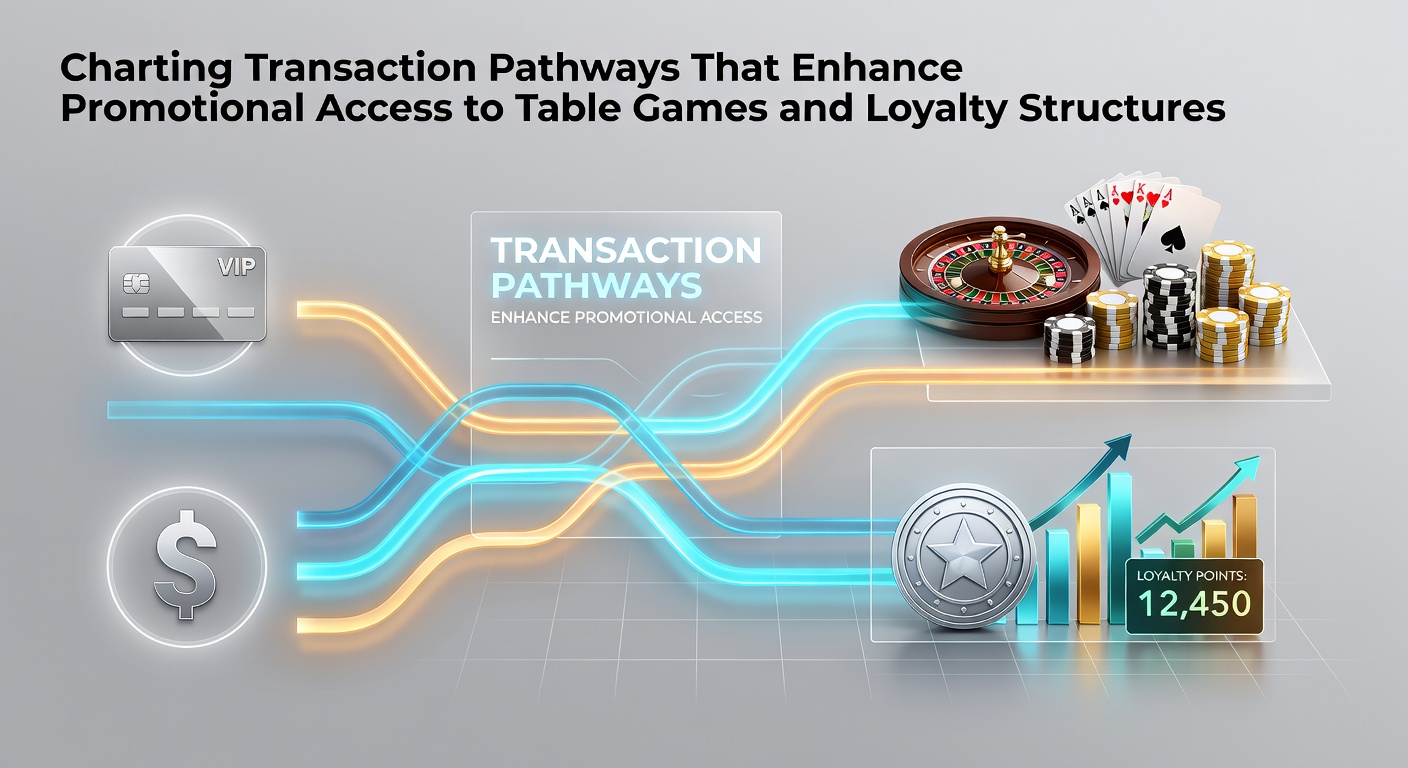
Transaction pathways in modern casino operations map the flow of funds from deposit methods through promotional triggers straight into table game environments while simultaneously feeding loyalty structures that reward consistent play across formats. These pathways rely on integrated payment processors that recognize specific transaction types and automatically apply bonuses designed for live dealer tables or high-limit pit games rather than restricting rewards to automated reels alone.
Core Components of Transaction Mapping
Payment gateways serve as the entry point where players initiate deposits through cards, e-wallets, or bank transfers, and systems then route these funds according to predefined rules that unlock table-specific promotions. Data from regulatory filings shows that seamless integration between banking rails and casino management software allows loyalty points to accrue at accelerated rates when transactions target table game sections, creating cumulative rewards that players can redeem for comps or additional play credits. Observers note that operators configure these pathways to distinguish between slot-focused deposits and those earmarked for blackjack, roulette, or baccarat, ensuring promotional access aligns with player preferences while maintaining compliance across jurisdictions.
Real-time verification protocols scan each incoming transaction for eligibility markers such as minimum deposit thresholds or preferred funding sources, then activate corresponding loyalty tiers without requiring separate manual claims. This automation reduces friction and lets players move directly from funding their accounts to seated positions at virtual or physical tables where ongoing wagers continue to build point balances.
Integration with Loyalty Structures in 2026
By May 2026 loyalty programs have evolved to treat table game activity as a primary driver of tier advancement, with transaction pathways engineered to capture every bet placed after a qualifying deposit. Systems log not only the initial funding step but also subsequent wager volumes on live dealer formats, converting those figures into redeemable benefits that include priority seating, reduced rake, or exclusive tournament entries. Research from industry bodies indicates that such layered tracking improves retention because players see direct connections between their payment choices and the speed at which they climb loyalty ladders.
Operators employ segmented ledgers that separate table game transactions from other verticals, allowing targeted promotions like matched deposits for baccarat sessions or cashback on roulette losses to activate automatically once the pathway confirms the funds reached the intended section. These mechanisms operate across mobile and desktop interfaces, maintaining consistent point accrual regardless of device while complying with regional rules that govern promotional advertising and responsible gaming limits.

Regulatory and Technical Considerations
Jurisdictions enforce transparency requirements that compel operators to document every step of a transaction pathway, from initial deposit to final loyalty credit, so that players receive clear statements detailing how funds translate into promotional access. Technical standards issued by bodies such as the Pennsylvania Gaming Control Board specify audit trails that capture timestamps, payment identifiers, and bonus activations to prevent disputes and ensure fairness. Similar frameworks appear in other regions, where data from transaction logs supports both player protection measures and revenue reporting.
Encryption protocols and tokenization protect sensitive banking details throughout the pathway, while application programming interfaces connect casino platforms with external payment processors to enable instant recognition of qualifying deposits. These connections allow loyalty structures to update dynamically as players place bets at tables, converting live action into tier progress without delays that once interrupted engagement.
Case Examples from Operational Systems
One large resort group implemented pathway rules that automatically convert deposits made via specific e-wallets into table game credits carrying a loyalty multiplier, resulting in measurable increases in pit traffic during tracked periods. Another network partnered with regional banks to create co-branded cards whose transactions feed directly into centralized loyalty databases, granting instant access to dealer-hosted promotions upon first use. Figures released by the American Gaming Association reveal steady growth in table game handle that coincides with expanded use of such integrated funding routes.
Smaller properties have adopted modular software solutions that let them customize pathway logic without rebuilding entire platforms, enabling quick adjustments when new loyalty incentives launch. These adaptations maintain compatibility with existing payment rails while extending promotional reach to previously underutilized table offerings.
Conclusion
Transaction pathways continue to serve as the connective tissue between funding actions, table game promotions, and loyalty progression, with operators refining these routes through software updates and regulatory alignment. The mapping of each step ensures that promotional access remains efficient and verifiable, supporting both operational goals and player engagement across evolving gaming environments.