Charting Interlinked Incentive Chains That Connect Reel Spins With Dealer Sessions Through Tiered Loyalty Mechanics
Freya Schulz · Jul 24, 2026

Charting Interlinked Incentive Chains That Connect Reel Spins With Dealer Sessions Through Tiered Loyalty Mechanics
Interlinked incentive chains operate through structured loyalty systems that accumulate points from automated reel spins and channel them toward access or enhanced rewards in live dealer environments. These mechanics rely on tiered progression where initial activity on slot machines generates base credits that unlock higher levels with expanded benefits at table games. Data from industry tracking shows players advance through bronze, silver, gold, and platinum stages based on cumulative play volume across both formats.
Systems track reel spin contributions via real-time point multipliers that adjust according to game type and wager size. A single spin on a progressive slot might award 1.5 times the standard point rate when compared to base table play, while consecutive sessions compound those totals toward the next tier threshold. Observers note that this structure encourages sustained engagement because reaching a new level often activates direct entry to dealer sessions with reduced minimum bets or added promotional credits.
Mechanics of Point Accumulation and Tier Progression
Point allocation begins with reel activity where each spin registers against a player's account balance and feeds into a centralized loyalty ledger. Higher tiers activate once totals hit defined milestones, such as 5,000 points for silver status or 25,000 for gold. These thresholds remain consistent across many platforms yet vary by operator according to regional regulations and internal algorithms. Research indicates that players who maintain steady reel volume experience faster tier climbs when combined with occasional table sessions that carry bonus multipliers.
Tier benefits extend to dealer sessions through features like priority seating, customized game limits, and exclusive progressive pools reserved for loyalty members. In July 2026 several major platforms updated their interfaces to display live chain visualizations that map current point totals directly to upcoming dealer table unlocks. This visual layer helps participants monitor how ongoing reel play translates into scheduled access windows at live tables without separate enrollment steps.
Integration Across Reel and Dealer Formats
Cross-format linkage occurs when points earned from slots automatically populate a shared pool eligible for dealer session redemptions. Operators implement conversion rates that translate reel credits into table-specific tokens, often at ratios of 10 to 1 during promotional windows. Evidence from operational reports reveals that such conversions increase participation rates at live tables among players who started primarily with automated reels.
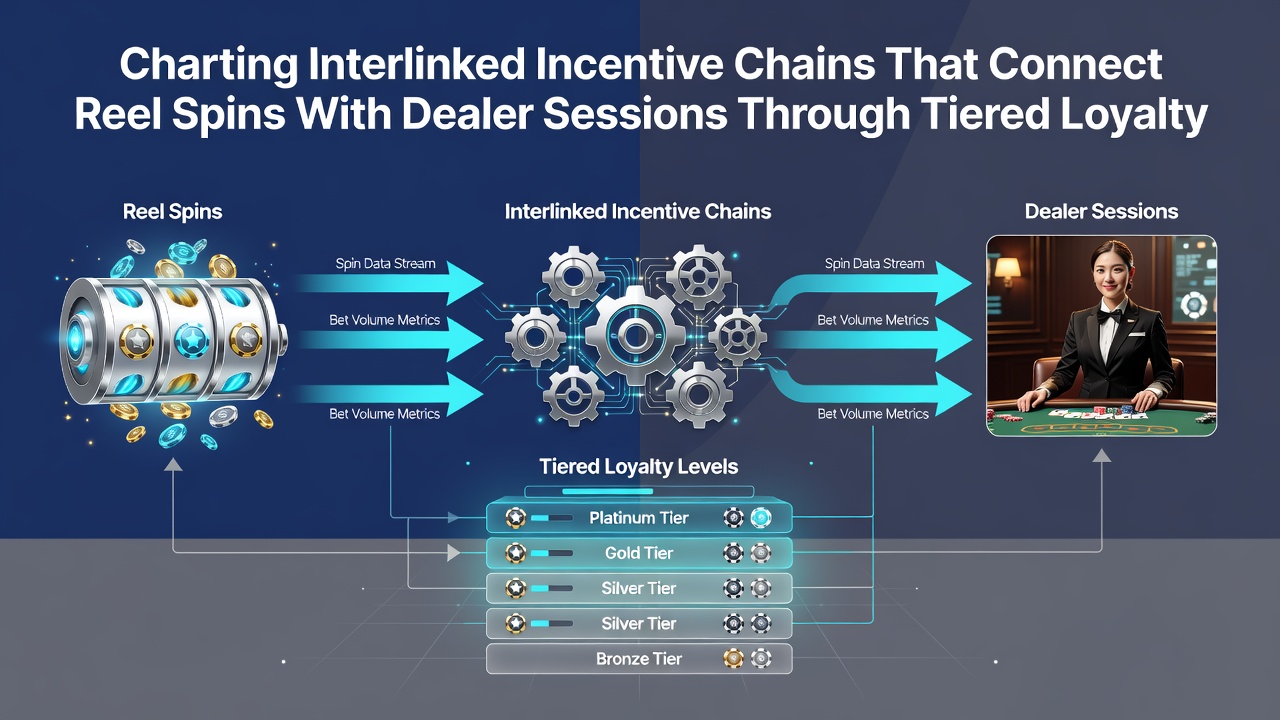
Additional layers include time-bound events where reel spins during peak hours generate accelerated points that count double toward dealer session qualifications. These events run on weekly cycles and integrate with existing tier structures so that mid-level participants can reach premium table access more rapidly. Figures from platform analytics demonstrate measurable upticks in cross-format movement during these periods.
Regulatory and Operational Considerations
Compliance frameworks require transparent disclosure of how points transfer between formats and what conditions govern tier advancement. Regulatory bodies such as the Nevada Gaming Control Board maintain oversight on these disclosures while similar agencies in other jurisdictions enforce parallel standards. Operators must log all point movements to allow audits that verify fair application of the incentive chains.
Technical infrastructure supporting these systems uses centralized databases that synchronize reel and dealer activity in real time. Updates rolled out in early 2026 improved latency in point posting so that players see immediate reflection of their progress toward the next tier. This infrastructure also supports regional variations where certain markets cap maximum point accrual per session to align with local responsible gaming guidelines.
Examples of Chain Implementation
One documented case involved a multi-state operator that linked a popular slot title's progressive jackpot contributions to tiered dealer bonuses. Players accumulating 10,000 reel points within a calendar month gained entry to a private live blackjack table with elevated payout structures. Similar models appear in reports from the Canadian Gaming Association where cross-format chains boosted overall session duration across both reels and tables.
Another implementation uses milestone triggers where every fifth tier advancement unlocks a dedicated dealer session credit package. These packages scale with tier level so that platinum members receive larger allocations than entry-level participants. Tracking data shows these triggers sustain long-term engagement because they create visible pathways from basic reel play to premium interactive formats.
Conclusion
Tiered loyalty mechanics continue to evolve as platforms refine the connections between reel spins and dealer sessions. The underlying chains rely on measurable point systems, conversion protocols, and regulatory compliance to maintain operational integrity. Current implementations in July 2026 highlight ongoing adjustments to interface tools and event structures that keep these interlinked incentives functional across diverse player bases.