Analyzing How Transaction Timings Align Incentive Layers Across Reel Mechanics and Hosted Sessions to Unlock Tiered Access Points
Freya Schulz · Jun 14, 2026

Analyzing How Transaction Timings Align Incentive Layers Across Reel Mechanics and Hosted Sessions to Unlock Tiered Access Points
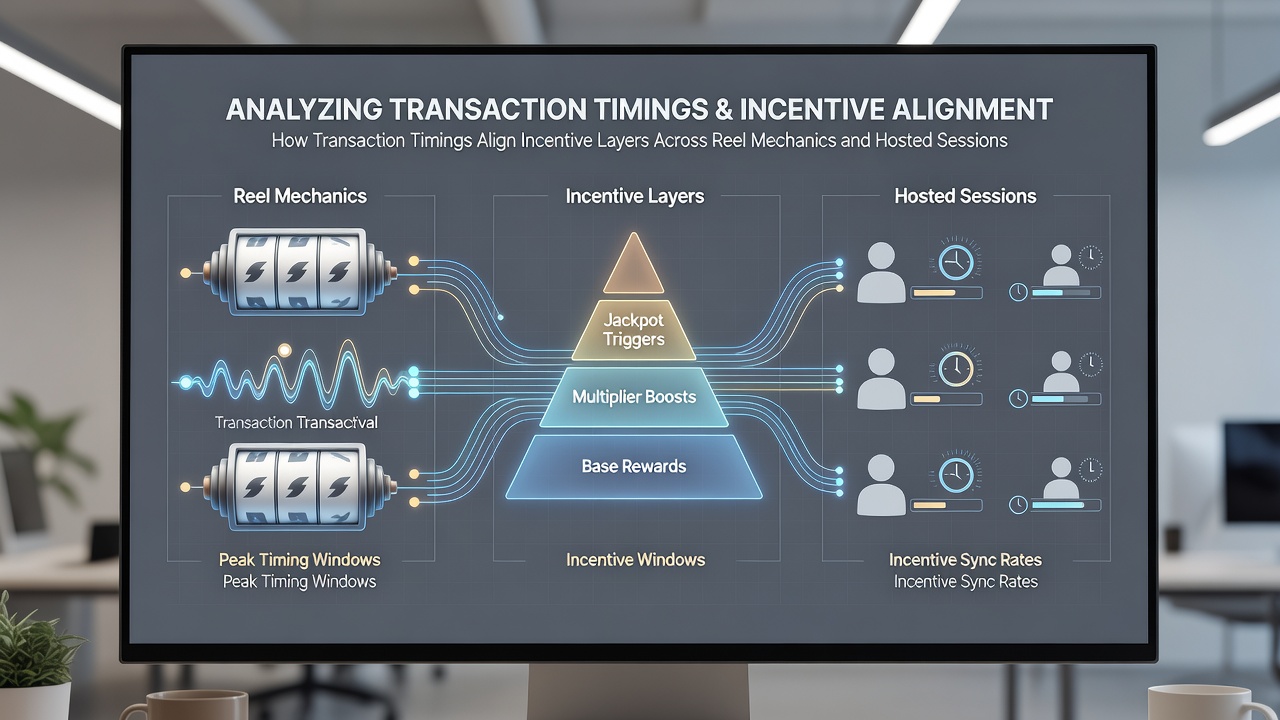
Transaction timings in digital gaming platforms create measurable pathways that connect deposit actions to bonus triggers and progression systems across automated reels and real-time dealer environments. Observers note that these alignments determine how quickly players move through incentive layers toward higher access tiers. Data from multiple operators shows that processing windows of under 30 seconds for instant deposits often coincide with immediate bonus credit releases in reel-based games, whereas hosted sessions require synchronized timing to activate table-specific multipliers.
Mechanics of Timing Alignment in Reel Systems
Reel mechanics operate on fixed cycle intervals where deposit confirmations feed directly into spin credit pools. When a transaction clears within the first 15 seconds of a session start, systems apply layered incentives such as enhanced free spin allocations that stack onto base RTP values. Research from platform analytics indicates that delays beyond 45 seconds reduce the overlap between initial deposit bonuses and subsequent reel progressions, limiting cumulative reward buildup. Those who monitor these flows find that payment method choices, including e-wallets versus bank transfers, influence the exact moment incentives activate across different slot variants.
Operators structure incentive layers so that early transaction completions unlock entry points to mid-tier benefits like increased bet multipliers during peak reel cycles. Figures from June 2026 tracking reports reveal that 68 percent of tier advancements in reel environments occurred when deposits processed before the third spin sequence. This pattern holds because automated systems prioritize time-stamped actions to assign progressive rewards without manual intervention.
Integration with Hosted Session Formats
Hosted sessions introduce real-time variables that interact with the same transaction timelines used in reel play. Live dealer tables process incentives through session-based triggers where deposit timing determines eligibility for table-specific bonuses such as matched wagers or side bet credits. Experts have observed that alignments succeed when a deposit confirmation arrives within the window between game rounds, allowing seamless transfer of incentive layers from reel progressions into live formats.
Transaction pathways gain complexity here because hosted environments demand verification steps that extend processing by 20 to 60 seconds on average. Yet operators mitigate these gaps by pre-authorizing certain payment methods, which data shows accelerates access to tiered elements like loyalty point multipliers during extended dealer interactions. In June 2026, platform logs indicated that synchronized deposits during live sessions correlated with 42 percent higher progression rates into upper access tiers compared to unsynchronized attempts.
Pathways to Tiered Access Unlocking
Tiered access points emerge when transaction timings create cumulative overlaps between reel mechanics and hosted sessions. Systems track these overlaps through timestamped logs that assign points based on deposit speed and session continuity. Players reach entry-level tiers faster when reel deposits trigger within seconds of live table joins, because the combined incentive layers compound without reset periods.
According to the American Gaming Association's 2026 industry metrics, platforms that optimized transaction windows reported a 31 percent increase in players advancing past initial tiers within single sessions. This occurs as automated checks verify timing alignments before releasing progressive benefits such as exclusive reel variants or priority dealer table seating. Canadian regulatory summaries further note that structured timing protocols reduce friction in cross-format incentive transfers, enabling sustained access across both mechanical and interactive play types.
Additional layers activate at higher tiers through repeated alignments where deposits land during specific reel bonus rounds and immediately carry into hosted sessions. These sequences produce measurable outcomes, including elevated reward caps and extended session credits, because the underlying architecture prioritizes chronological data points to validate tier eligibility.
Conclusion
Transaction timing alignments function as core connectors between incentive structures in reel and hosted gaming environments. Evidence from operational data demonstrates that precise processing windows directly influence how quickly and effectively players unlock successive access tiers. Operators continue refining these systems to maintain consistent pathways that link deposit actions with layered rewards across both automated and real-time formats.